

Iran claims to have attacked a US radar in Bahrain and that two more tankers have hit mines in Hormuz
The Revolutionary Guard claims an attack with six drones on the Riffa base. Washington denies part of their version. What is known and why it affects fuel prices.

Translated automatically from Spanish. Read the original
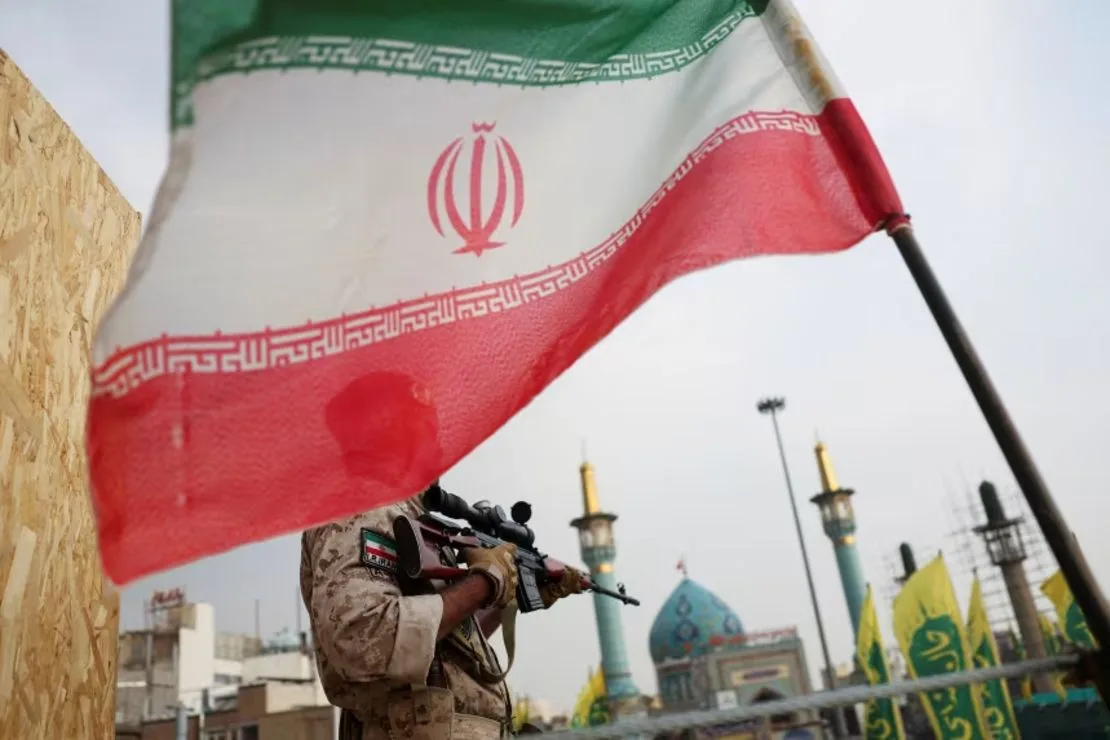
Iran claims to have attacked a US radar with drones in Bahrain and that two more oil tankers have hit mines in the Strait of Hormuz. The Iranian Revolutionary Guard claims that on Sunday, November 15, it launched six drones against a US air defense radar at the Riffa airbase, the second attack of this type it has claimed in three days. At the same time, the Iranian navy says that two more oil tankers have caught fire after hitting mines, which would bring to seven the number of maritime incidents in the strait in 24 hours. The United States has denied part of what Tehran says. We explain what is known and why it affects the price of gasoline in Spain.
What Iran and the United States say
| Fact | Iranian version | US and Bahrain version |
|---|---|---|
| Attack on Friday, November 13 | Destroyed a US early warning radar in Bahrain | Intercepted two drones, with no casualties or damage |
| Attack on Sunday, November 15 | Six drones against an air defense radar at Riffa base | US Central Command had not confirmed it; Bahrain says it intercepted attacks |
| Oil tankers | Two more hit mines and caught fire in the east of the strait | No independent confirmation |
| Strait of Hormuz | "Remains closed" | US claims to have cleared main routes of mines |
Important: most of this information comes from Iranian state media or the Revolutionary Guard itself, and has not been independently verified.
Why Iran is attacking, according to Tehran
The Revolutionary Guard presents the attacks as retaliation for an alleged US airstrike against a telecommunications tower in southern Iran. The United States, for its part, maintains a naval blockade on Iranian ports as part of the war between the two countries.
Why the Strait of Hormuz matters
The Strait of Hormuz is the passage between the Persian Gulf and the Indian Ocean, and normally, around a fifth of the world's consumed oil passes through it. When it is blocked or becomes dangerous:
- Oil tankers avoid the area or pay much higher insurance premiums.
- The price of crude oil rises in international markets.
- This increase reaches gasoline and diesel in Spain, with a delay of a few weeks.
What's happening now
- Washington insists that its ship escort is working; Iran says it has failed.
- Trump is traveling to Asia this week (Manila and Shenzhen), where the war with Iran is one of the topics he wants to discuss with China.
- The risk is that an escalation could effectively close the strait for days, with effects on the global economy.
Frequently asked questions
What has Iran attacked? According to Iran, a US air defense radar at Riffa base in Bahrain, with six drones.
Has the US confirmed it? No, the latest attack. For the previous one, it said it intercepted two drones without damage.
What's happening in the Strait of Hormuz? Iran says two more oil tankers have hit mines and that the strait remains closed; there is no independent confirmation.
Does it affect me in Spain? Yes, indirectly: any problem in Hormuz tends to increase the price of oil and, later, fuel.
Sources: Al Jazeera, CBS News, Dawn, The Tribune, and Ships & Ports.








Comments
Sign in to comment
No comments yet. Start the conversation.